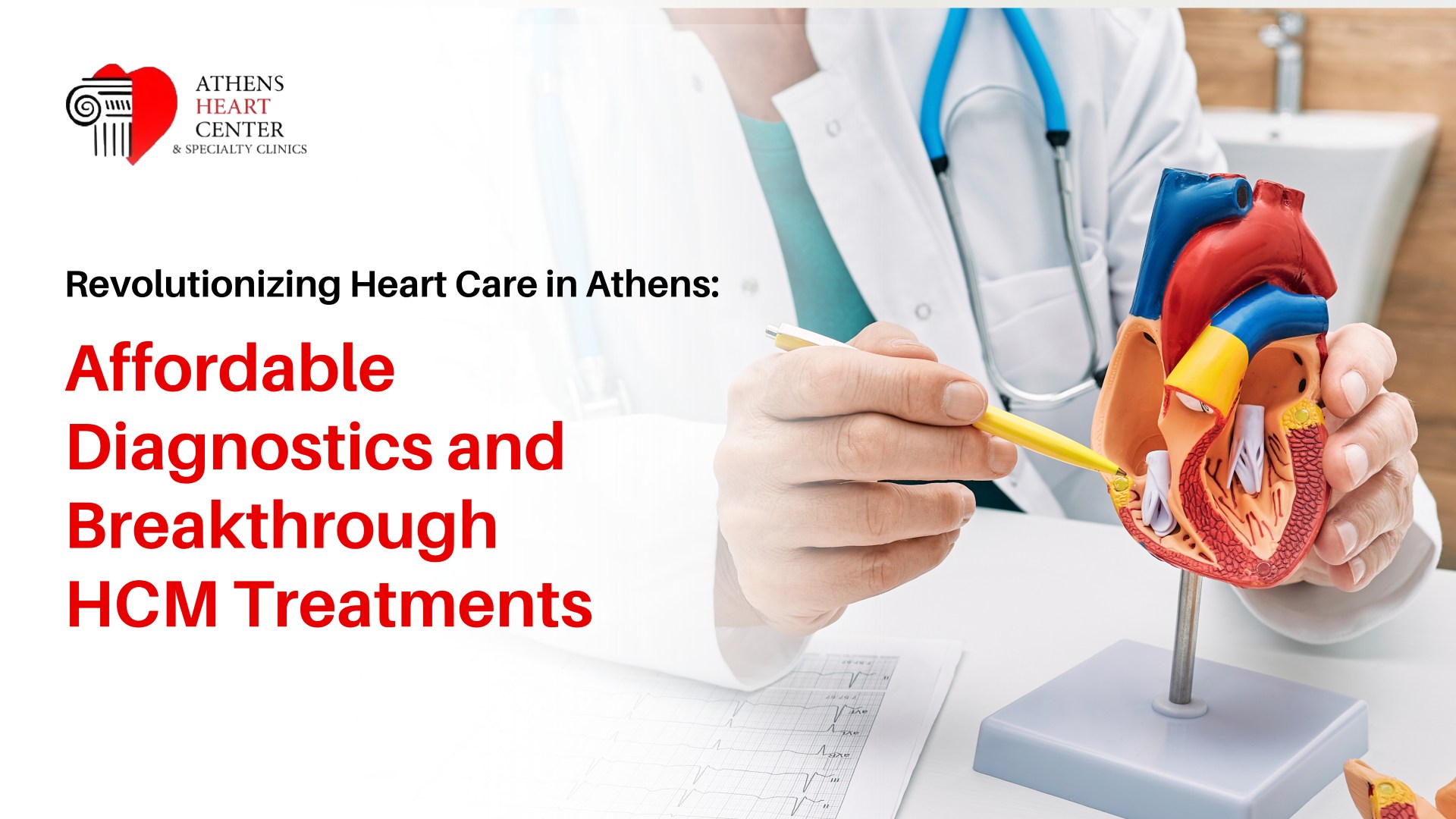
Revolutionizing Heart Care in Athens: Affordable Diagnostics and Breakthrough HCM Treatments
When it comes to your heart, waiting is never a safe option. Yet many people delay getting evaluated, not because they don’t care about their health, but because they fear high medical bills, confusing systems, or limited access to advanced treatments.
This is where modern cardiology is beginning to change.
Today, patients no longer have to choose between affordability and quality. With the right approach, it is possible to access advanced diagnostics and cutting-edge treatments without overwhelming financial stress.
Understanding Hypertrophic Cardiomyopathy (HCM)
Hypertrophic cardiomyopathy, often called HCM, is a condition in which the heart muscle becomes abnormally thick. This thickening can make it harder for the heart to pump blood effectively.
In some cases, especially in obstructive HCM (oHCM), the thickened heart muscle can partially block blood flow out of the heart. This can lead to symptoms that interfere with daily life and, in rare cases, serious complications.
Common symptoms include:
- • Shortness of breath
- • Chest pain
- • Rapid or pounding heartbeat
- • Lightheadedness or fainting
What makes HCM particularly challenging is that some people may not notice symptoms early on. Others may mistake them for stress, fatigue, or general fitness issues.
A Shift from Symptom Management to Root-Cause Treatment
For many years, treatment for HCM focused mainly on managing symptoms. Medications like beta-blockers and calcium channel blockers were commonly used to reduce heart strain and improve comfort.
While these treatments are still useful, they do not address the underlying cause of the condition.
Now, cardiology is entering a new phase – one that focuses on treating the disease at its source.
Recent advancements have introduced therapies that target how the heart muscle contracts at a cellular level. Instead of only easing symptoms, these treatments aim to improve how the heart functions overall.
This shift represents a major step forward in heart care.
When Should You Consider Getting Evaluated?
Because HCM can sometimes develop quietly, early evaluation is important – especially if certain warning signs are present.
You should consider a cardiac evaluation if you experience:
- • Unexplained fainting or severe dizziness, especially during physical activity
- • A family history of sudden cardiac death or heart-related conditions
- • Persistent shortness of breath, chest discomfort, or noticeable heart palpitations
Listening to these signals early can help prevent complications and allow for timely treatment.
The Role of Affordable Diagnostics
One of the biggest barriers to early diagnosis is cost.
Many patients avoid tests like echocardiograms because hospital pricing can feel unpredictable or overwhelming. However, early testing plays a critical role in identifying heart conditions before they progress.
An echocardiogram, which is essentially an ultrasound of the heart, helps doctors:
- • Measure heart wall thickness
- • Evaluate blood flow
- • Detect structural abnormalities
- • Monitor heart function over time
When diagnostic testing is made affordable and transparent, patients are far more likely to take proactive steps toward their health.
This is where modern care models are making a real difference – by reducing costs while maintaining high-quality imaging and accurate results.
Breakthrough Treatment: A New Era with Camzyos
One of the most exciting advancements in HCM treatment is the introduction of targeted medications like Camzyos (mavacamten).
Unlike traditional medications, Camzyos works at the root of the condition. It helps reduce excessive contraction of the heart muscle, allowing the heart to pump more efficiently.
For patients with symptomatic obstructive HCM, this can lead to:
- • Improved exercise capacity
- • Reduced shortness of breath
- • Less chest discomfort
- • Better overall quality of life
Because this treatment directly affects how the heart contracts, careful monitoring is essential. Regular follow-up and imaging ensure that the heart continues to function safely and effectively during treatment.
This combination of innovation and monitoring reflects how far cardiology has come – from simply managing symptoms to actively improving heart function.
Why Continuous Monitoring Matters
Heart conditions are not static. They evolve over time, which means ongoing monitoring is just as important as initial diagnosis.
Regular evaluations help:
- • Track disease progression
- • Adjust medications as needed
- • Prevent complications before they arise
- • Ensure treatments remain effective
When monitoring is accessible and affordable, patients are more likely to stay consistent with follow-ups, leading to better long-term outcomes.
Bridging the Gap Between Cost and Quality
Healthcare often forces patients to choose between affordability and advanced care. But that gap is beginning to close.
With more transparent pricing, accessible diagnostics, and innovative treatments, patients can now receive high-quality cardiac care without unnecessary financial strain.
This approach not only improves individual outcomes but also encourages more people to seek care early, before conditions become severe.
Taking Control of Your Heart Health
Your heart works for you every second of the day. Taking care of it should not feel confusing or out of reach.
If you have been putting off a cardiac evaluation due to cost or uncertainty, now is the time to reconsider. Early diagnosis, combined with modern treatment options, can make a significant difference in both quality and length of life.
Heart care is no longer just about reacting to problems. It is about preventing them, understanding them, and treating them at their core.
And with the right approach, it can be both advanced and affordable.





Treating the root causes of illness instead of just treating symptoms is so necessary in healthcare.
Affordable healthcare to as many as possible is so important. Great information.