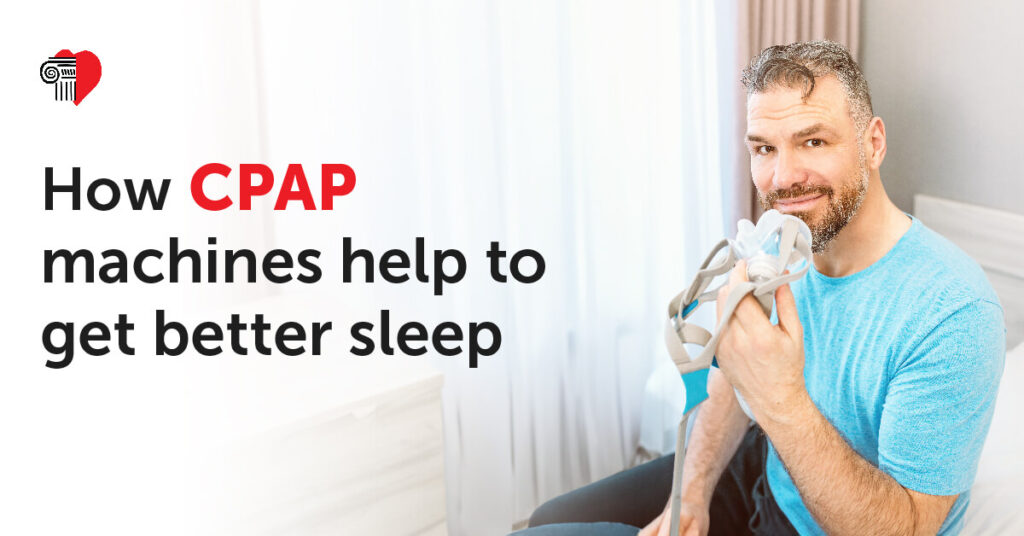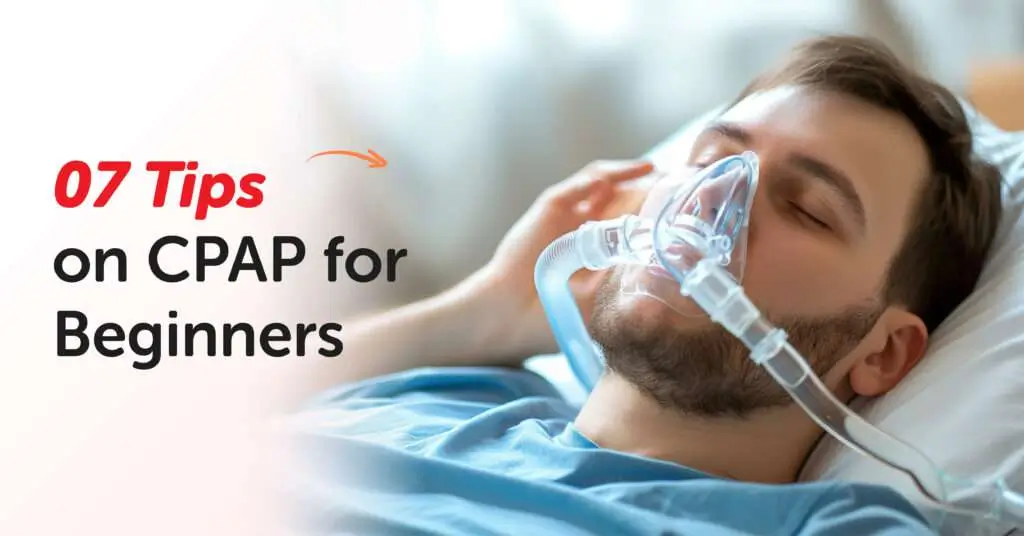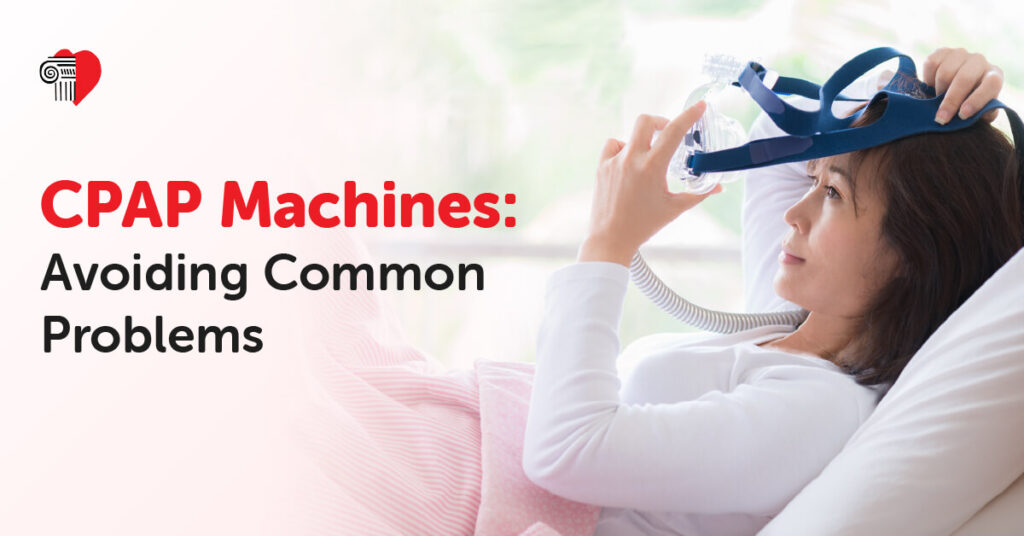
CPAP Machine Solutions: Expert Tips for Common Problems
Living with sleep apnea can be challenging, but a CPAP (Continuous Positive Airway Pressure) machine can become a game–changer. Although the advantages are obvious—better sleep, better health, and more energy—getting used to CPAP therapy is not always straightforward. In this guide, we will address the most frequent problems first-time users encounter and offer useful, expert-approved solutions to help you maximize the benefits of your CPAP therapy.
Q1: What is a CPAP machine and how does it work?
A CPAP machine treats obstructive sleep apnea by providing a constant flow of pressurized air through a tube into a mask that fits over your nose or mouth. This keeps your airway open, stopping the breathing pauses that can cause severe health problems like high blood pressure and heart disease.
Q2: What are some of the most common problems users face with CPAP machines?
- Improper mask fit: A mask that’s too loose or the wrong style can cause discomfort and air leaks.
- Difficulty adjusting: Feeling claustrophobic or awkward? Try wearing the mask during the day while watching TV to get comfortable.
- Dry nose or mouth: A heated humidifier can help reduce dryness.
- Machine noise: Keep the filter on the machine clean and put it further from the bed if you find the noise disturbing.
- Accidental mask removal: Changing the fit or using a different style of mask can remedy this.
Q3: How to select the proper CPAP mask?
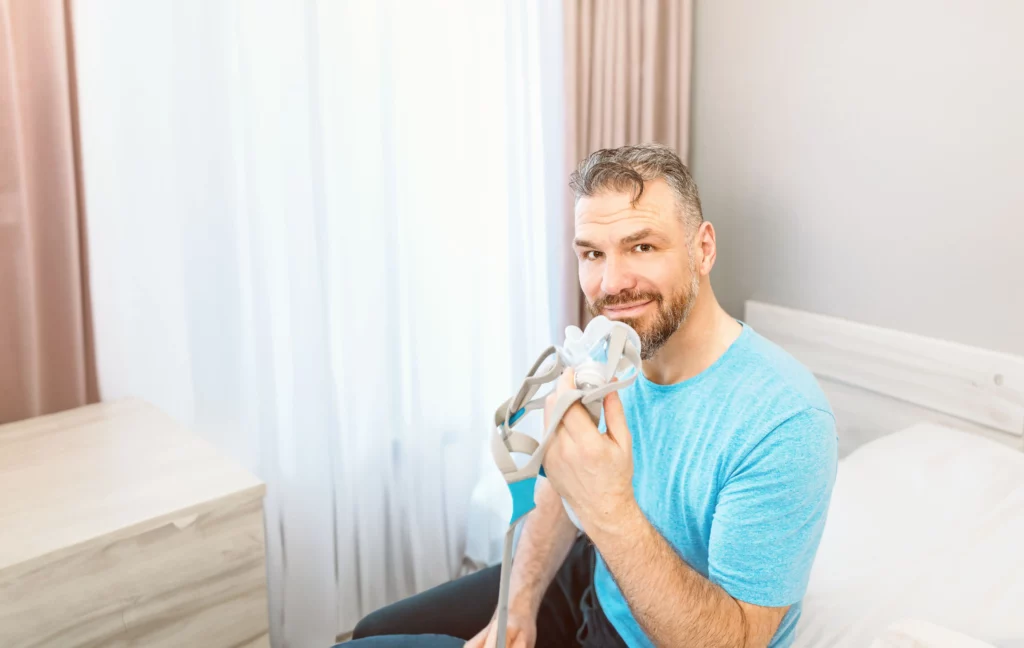
Choosing the correct mask is one of the most important decisions in your CPAP therapy journey. There are several types of CPAP masks available, including masks that fit over just the nose, masks that cover both the nose and mouth, and nasal pillow masks that rest at the nostrils and the right choice depends on whether you breathe through your nose or mouth, your sleep position, and your comfort preferences.
CDC
Use this guide to find your best match:Nasal Mask: Covers only the nose, ideal for nose-breathers who move around during sleep. Most commonly prescribed for new CPAP users.Full-Face Mask: Covers both nose and mouth, best for mouth-breathers or those with nasal congestion who cannot breathe exclusively through their nose.Nasal Pillow Mask: Inserts gently at the nostrils, the most minimal option, ideal for those who feel claustrophobic with larger masks or who wear glasses.Key fitting tips:
The mask should feel snug but never painfully tight
There should be no air leaking around the edges during use
Your AHCSPC provider in Athens, GA will fit your mask in-clinic and adjust it until it is comfortable
If your first mask does not feel right, do not give up. Our Athens, Georgia sleep team offers multiple mask trials to ensure you find the perfect fit.
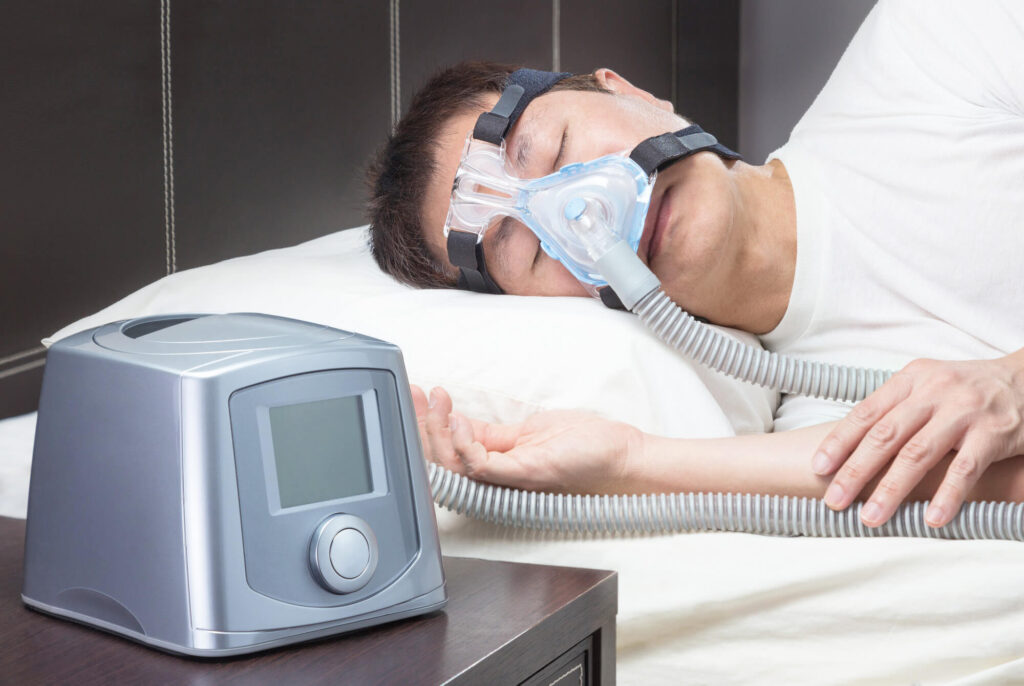
Q4: What should you do if claustrophobic or uncomfortable with the mask?
- Acclimatize to the mask during the day by wearing it when relaxing.
- Practice relaxation strategies such as deep breathing.
- If the mask is too restrictive, speak with your provider about a smaller or lighter model.
Q5: How to manage a dry nose, congestion, or dry mouth?
- Utilize a heated humidifier to put moisture into the airflow.
- Use nasal saline spray at bedtime to limit dryness.
- If you are a mouth breather, a full-face mask or chin strap may prevent your mouth from opening.
Q6: If the CPAP device is noisy, and disturbing sleep. What can be done?
- Regularly clean or replace the air filter.
- Place the device further away from your bed.
- Mask the noise with a white noise machine or earplugs.
Q7: How to adjust to the feeling of forced air from the CPAP device?
- Utilize the “ramp” setting to begin at a lesser pressure and gradually build up.
- If discomfort persists, inquire about an auto-adjusting machine such as a BiPAP.
Q8: When to consult the doctor for help regarding CPAP therapy?
- Persistent skin irritation
- Trouble with proper mask fit
- Worsening symptoms or discomfort
CPAP Services at AHCSPC
- CPAP Machine Clinic & Support – Get expert advice on CPAP therapy, machine usage, and troubleshooting.
- Refurbishing Old CPAP Devices – Bring your old CPAP machine, and we’ll restore it to optimal condition.
- CPAP Machine Repair & Fixing – If your CPAP device isn’t functioning properly, our technicians can repair it.
- Device Replacement – Need a new CPAP machine? We offer easy replacement options.

Conclusion
It takes time to adjust to CPAP therapy. Still, minor changes—such as using a heated humidifier, experimenting with mask styles, or employing the ramp feature—can make a significant difference. Don‘t be afraid to contact your healthcare provider for advice. Regular use of your CPAP machine will result in improved sleep, enhanced health, and an improved quality of life. Sleep better, live better!
How Athens Heart Center & Specialty Clinics Can Help You Love Your CPAP
Adjusting to CPAP therapy can be challenging—but you don’t have to figure it out alone. At Athens Heart Center & Specialty Clinics (AHCSPC), sleep medicine experts provide personalized support to help you overcome common CPAP issues like mask discomfort, dry mouth, and noise. We will work with you to find the right mask fit, adjust machine settings, and ensure you’re comfortable with your therapy. AHCSPC’s compassionate, patient-focused approach ensures that your sleep health journey is smooth and effective. Learn more at AHCSPC.
RESOURCES:
- What Is Sleep Apnea? – National Heart, Lung, and Blood Institute (NHLBI), NIH
- Continuous Positive Airway Pressure (CPAP) – National Heart, Lung, and Blood Institute (NHLBI), NIH
- CPAP Machine: What It Is, How It Works and Side Effects – Cleveland Clinic
- Sleep Apnea Diagnosis and Treatment – Mayo Clinic
- Obstructive Sleep Apnea – StatPearls, National Library of Medicine (NIH)


Share Your Thoughts
No comments yet — be the first to comment!