The End of the "Sudden" Heart Attack: How Preventive Cardiology is Rewriting the Human Healthspan
For decades, the “unannounced” heart attack has been the ultimate medical nightmare-a silent thief that strikes without warning. But as a global healthcare strategist, I can tell you that the era of the “surprise” cardiac event is coming to an end. We are moving from a reactive “sick-care” model to a proactive, preventive cardiology framework that identifies risk years before a disaster occurs.
At the forefront of this shift is the Athens Heart Center & Specialty Clinics in Athens, Georgia. Under the leadership of Dr. Subodh K. Agrawal, MD, FACC, the center is proving that through advanced technology and holistic intervention, we can not only delay heart disease but potentially reverse atherosclerosis.
Why "Sudden" Cardiac Death is Rarely Sudden
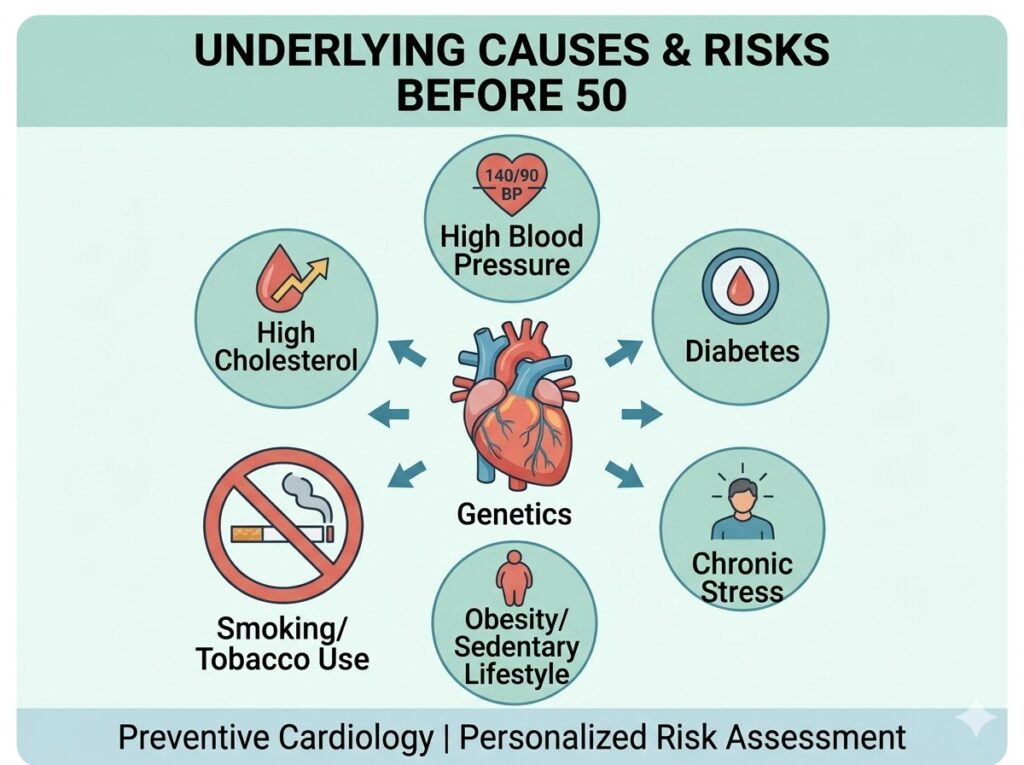
Medical science now shows that heart attacks under age 50 are rising due to modern lifestyle patterns and delayed detection. While an event may feel sudden, the underlying plaque buildup (atherosclerosis) often takes years to develop. Research indicates that one in five heart attack patients is now under the age of 50, a trend driven by metabolic syndrome and sedentary lifestyles (Arora et al., 2019).
At Athens Heart Center, high-risk patients are no longer invisible. Through thorough investigation using new technologies-such as coronary calcium scoring and advanced imaging-clinicians can pinpoint treatable risk factors that standard check-ups might miss.

The Athens Heart Center Protocol: Whole-Human Care
Treating the heart requires treating the human. The center integrates ABIM-certified cardiologists with a multi-dimensional approach to health:
- • Precision Medicine: Using diagnostic testing to identify genetic and metabolic predispositions.
- • Lifestyle Reversal: Utilizing yoga, meditation, and targeted dietary changes. Clinical trials have demonstrated that intensive lifestyle changes can result in the regression of even severe coronary atherosclerosis (Ornish et al., 1998).
- • Remote Patient Monitoring (RPM): In the age of digital health, Athens Heart Center uses remote monitoring to keep a “close eye” on patients. Studies show that RPM significantly improves blood pressure control and medication adherence (Noah et al., 2018).
• Early Intervention: When necessary, modern interventions are used to stabilize the cardiovascular system, effectively extending the patient’s healthspan-the years lived in peak physical condition.
Is Your Heart "Quiet" or Just Unheard?
5 Self-Assessment Questions
If you answer “Yes” to any of the following, a comprehensive cardiovascular check-up at Athens Heart Center is a vital investment in your future:
- 1. The Legacy Factor: Do you have a family history of heart disease, high blood pressure, or strokes occurring before age 60?
- 2. The Stress Signal: Do you experience unexplained fatigue, “indigestion” during exertion, or a persistent feeling of being “burnt out”?
- 3. The Metabolic Marker: Have you been diagnosed with “borderline” high blood sugar, hypertension, or elevated cholesterol?
- 4. The Lifestyle Gap: Is your daily routine characterized by a sedentary desk job, high stress, or irregular sleep patterns?
5. The Knowledge Void: Do you know your current “calcium score” or your 10-year cardiovascular risk percentage?
Investing in Your Health: 7 Frequently Asked Questions
- 1. Can a heart attack truly be “prevented” if I feel healthy?
Absolutely. Many people under 50 appear healthy but have undiagnosed hypertension. Early screening is the “gold standard” for prevention (Lloyd-Jones et al., 2010).
- 2. What makes Athens Heart Center different from a standard clinic?
The focus is on Preventive Cardiology. Instead of waiting for a heart attack to happen, Dr. Agrawal and his team use coordinated care to stop the disease in its tracks.
- 3. Is it possible to reverse arterial damage?
Yes. Modern evidence suggests that the combination of aggressive lipid-lowering therapy and lifestyle modification can lead to plaque stabilization and regression.
- 4. How does remote patient monitoring help me?
It provides a safety net. Your cardiologist can monitor your vitals remotely, allowing for immediate intervention if your data trends in a dangerous direction.
- 5. I’m under 50; why should I care about my heart now?
The “silent” phase of heart disease begins in your 20s and 30s. Catching it early prevents the “surprise” event later in life.
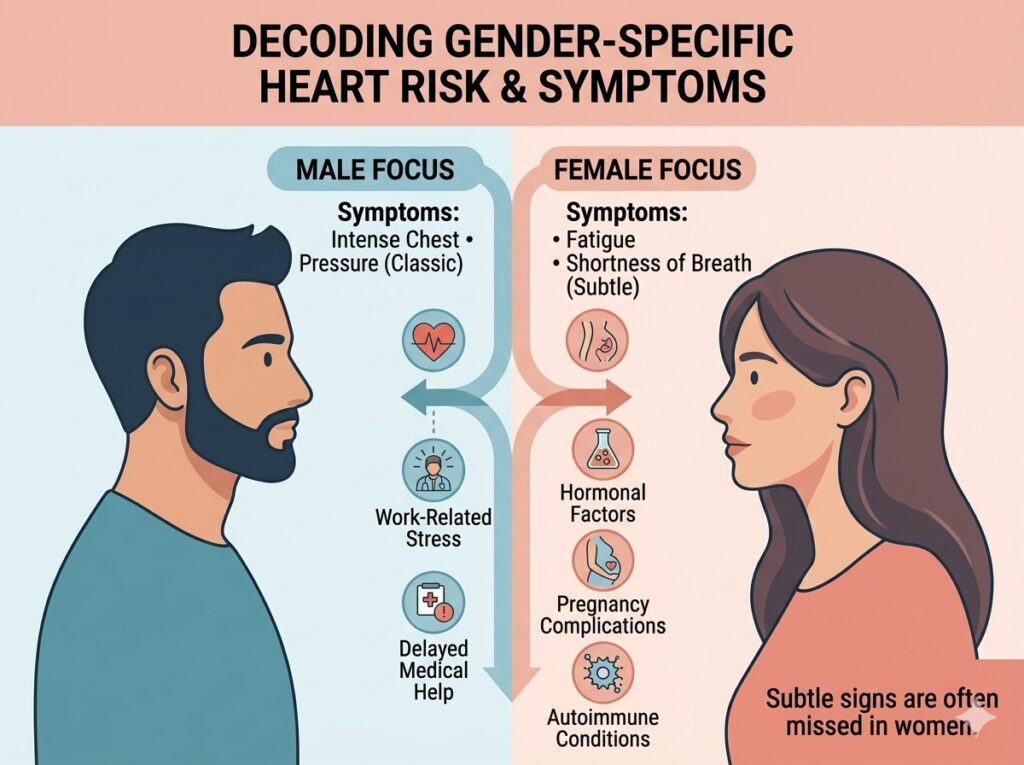
- 6. Are women’s symptoms really different?
Yes. Women often experience subtle signs like nausea or extreme exhaustion rather than the “Hollywood” chest-clutching pain (Mehta et al., 2016).
- 7. How do I start my journey toward a longer healthspan?
The first step is a cardiovascular risk assessment at Athens Heart Center to evaluate your whole-human profile-genetics, lifestyle, and biology.
Take Control of Your Heart Health
The most expensive healthcare is the kind you receive in the Emergency Room. The most affordable and effective healthcare is prevention.
Schedule your consultation today:
Athens Heart Center & Specialty Clinics
Experience the attention your heart deserves.
Medical Citations & References
- • Arora, S., et al. (2019). “Twenty-Year Trends and Sex Differences in Young Adults Hospitalized With Acute Myocardial Infarction.” Circulation.
- • Lloyd-Jones, D. M., et al. (2010). “Defining and Setting Targets for Cardiovascular Health Promotion and Disease Reduction.” Circulation.
- • Mehta, L. S., et al. (2016). “Acute Myocardial Infarction in Women: A Scientific Statement From the American Heart Association.” Circulation.
- • Noah, B., et al. (2018). “Impact of Remote Patient Monitoring on Clinical Outcomes: An Updated Meta-Analysis.” NPJ Digital Medicine.
- • Ornish, D., et al. (1998). “Intensive Lifestyle Changes for Reversal of Coronary Heart Disease.” The Journal of the American Medical Association (JAMA).
• Sabatine, M. S., et al. (2017). “Evolocumab and Clinical Outcomes in Patients with Cardiovascular Disease.” New England Journal of Medicine.
Share Your Thoughts
No comments yet — be the first to comment!