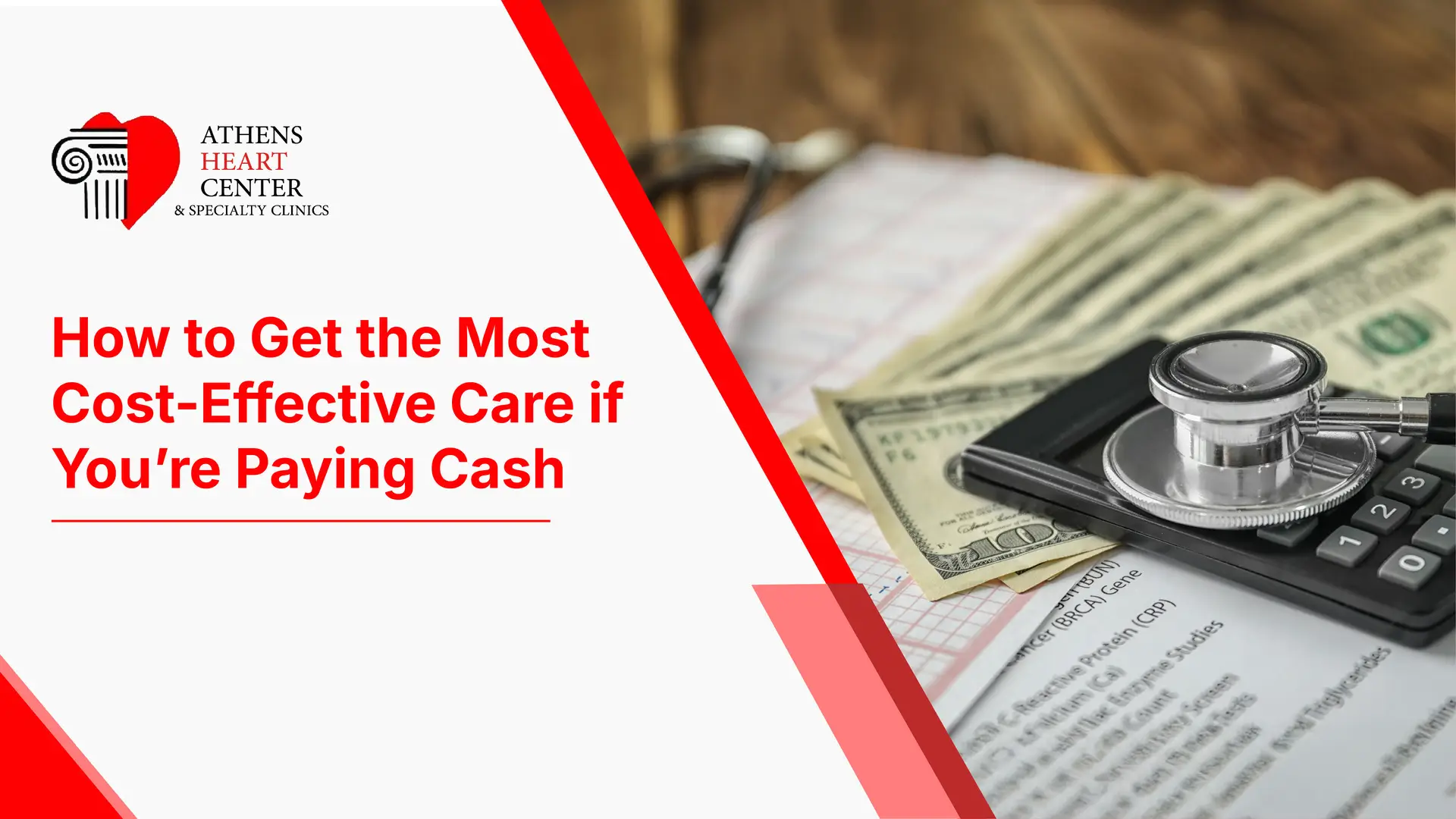
How to Get the Most Cost-Effective Care if You’re Paying Cash
Paying cash for healthcare is becoming an increasingly common choice for many individuals and families. Rising insurance premiums, high deductibles, limited provider networks, and unexpected medical bills have pushed patients to look for alternatives that feel more transparent and manageable. While paying out of pocket can initially seem intimidating, many patients soon realize that cash-pay healthcare can offer greater clarity, flexibility, and control over their healthcare journey.
When patients are empowered with the right information and supported by a care model designed around transparency and long-term wellness, cash-pay healthcare can be both practical and cost-effective. Rather than navigating confusing insurance rules, patients are able to focus on what truly matters, receiving timely, thoughtful, and personalized medical care.
Understanding What Cash-Pay Healthcare Really Means
Cash-pay healthcare simply means paying directly for medical services without involving an insurance company. This approach removes much of the administrative complexity that often slows down care. Without insurance approvals, claim submissions, or coverage restrictions, providers can focus fully on the patient rather than paperwork.
For patients, this often results in clearer communication, fewer delays, and more meaningful time with their provider. Visits tend to be more focused and personal, allowing space for questions, education, and shared decision-making. Instead of rushing through appointments, providers can take the time to understand a patient’s concerns, lifestyle, and long-term health goals.
Cash-pay care also allows patients to choose providers based on trust and quality rather than insurance networks. This freedom can lead to stronger provider relationships and more consistent care, which ultimately plays a major role in keeping healthcare costs under control.
Why Transparency Matters When You’re Paying Cash
One of the biggest advantages of paying cash is price transparency. Knowing the cost of care upfront removes uncertainty and allows patients to plan ahead financially. Unfortunately, many people are surprised to learn that healthcare prices can vary significantly depending on where and how care is delivered.
Transparent pricing encourages informed decision-making. When patients understand the cost of visits, tests, and treatments before they receive them, they can weigh their options thoughtfully. This openness reduces stress and eliminates the fear of unexpected bills arriving weeks or months later.
Transparency also builds trust. When costs and care plans are clearly explained, patients feel respected and involved in their healthcare decisions. This trust creates a stronger partnership between patients and providers, leading to better communication, adherence to treatment plans, and improved outcomes.
Choosing the Right Setting for Care
One of the most effective ways to control healthcare costs is choosing the right care setting. Many medical concerns do not require emergency room visits or hospital-based care, which often come with high facility fees and additional charges that quickly add up for cash-paying patients.
Primary care and outpatient settings are often the most cost-effective and appropriate places to address common health concerns. Early evaluation, routine follow-ups, and timely intervention can prevent conditions from worsening and reduce the likelihood of expensive hospital visits.
When patients have access to consistent primary care, they are more likely to address symptoms early rather than waiting until problems become urgent. This proactive approach not only protects health but also significantly reduces overall healthcare spending.
Preventive Care as a Long-Term Cost Saver
Preventive care is one of the most powerful tools for managing healthcare costs, yet it is often overlooked. Routine checkups, screenings, and wellness visits help identify potential issues before they become serious or costly to treat.
By focusing on prevention, patients can avoid many chronic conditions or manage them more effectively in their early stages. Preventive care also supports healthier lifestyles, helping patients make informed choices about nutrition, physical activity, stress management, and overall well-being.
Over time, preventive care leads to fewer medical emergencies, fewer hospitalizations, and a reduced need for complex treatments. For cash-paying patients, this translates into long-term savings and better quality of life.
Managing Chronic Conditions with a Proactive Approach
Chronic conditions such as diabetes, hypertension, asthma, or heart disease require ongoing attention. Without proper monitoring and support, these conditions can lead to frequent emergency visits, hospital admissions, and escalating costs.
Effective chronic care management focuses on consistency, education, and early intervention. Regular monitoring allows providers to identify concerning trends before they become serious. Patient education helps individuals understand their condition and take an active role in managing it.
When chronic conditions are managed proactively, patients experience better stability, fewer complications, and lower long-term healthcare costs. This structured approach is especially valuable for cash-paying patients who want predictable and manageable healthcare expenses.
Thoughtful Use of Diagnostics and Medications
Diagnostic testing and prescription medications can be significant cost drivers in healthcare. For patients paying cash, it is essential that tests are ordered thoughtfully and medications are chosen carefully.
Open discussions about why a test is needed and what information it will provide help patients understand its value. In many cases, unnecessary or redundant testing can be avoided through careful clinical judgment and a thorough understanding of a patient’s medical history.
Similarly, medication decisions should balance effectiveness with affordability. Generic medications often provide the same benefits as brand-name options at a fraction of the cost. When patients are involved in these decisions, they are more likely to follow treatment plans consistently and confidently.
Reviewing Bills and Staying Informed
Even in a cash-pay model, reviewing medical bills remains important. Billing errors, duplicate charges, or unclear service descriptions can increase costs unnecessarily. Patients who take the time to review their statements and ask questions often gain a better understanding of their care and ensure accuracy.
Clear communication around billing fosters confidence and helps patients feel secure in their healthcare choices. It also reinforces the importance of transparency and accountability in the care process.
The Value of a Long-Term Primary Care Relationship
One of the most overlooked yet powerful cost-saving strategies in healthcare is continuity of care. Seeing the same primary care provider over time allows for a deeper understanding of a patient’s medical history, preferences, and long-term goals.
This continuity reduces unnecessary testing, improves diagnostic accuracy, and ensures that care plans are tailored to the individual. When providers know their patients well, they can make more informed decisions and address issues earlier, before they escalate.
For cash-paying patients, a long-term primary care relationship provides stability, predictability, and confidence, all of which contribute to better outcomes and lower overall costs.
Final Thoughts
Cost-effective healthcare is not about choosing the cheapest option available. It is about making informed decisions, prioritizing prevention, and partnering with a care team that values transparency and long-term wellness. Paying cash offers flexibility and control, but its true value is realized when care is planned thoughtfully and delivered with intention.
With a strong emphasis on primary care, preventive services, virtual care, and personalized support, Athens Heart Center’s approach helps cash-paying patients achieve better health outcomes while keeping costs manageable. When healthcare is designed around the patient rather than the system, paying cash becomes a smart, sustainable, and confident choice.




Share Your Thoughts
No comments yet — be the first to comment!